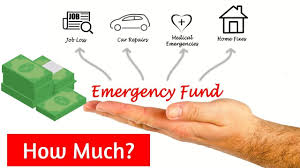
In today’s unpredictable world, financial stability is more important than ever. Whether it’s a medical emergency, job loss, unexpected repairs, or sudden expenses—life can change overnight. That’s why having an emergency fund is not just a good idea, it’s a necessity.
In this complete 2026 guide, you’ll learn what an emergency fund is, why it matters, and how to build one step by step—even if you’re starting from zero.
What is an Emergency Fund?
An emergency fund is a dedicated amount of money set aside specifically for unexpected expenses.
Examples of emergencies:
- Medical bills
- Car or home repairs
- Job loss
- Urgent travel
💡 This money is not for shopping, vacations, or entertainment—only real emergencies.
Why You Need an Emergency Fund
Many people ignore this step—and regret it later. Here’s why it’s crucial:
1. Protection from Financial Stress
Unexpected expenses can create panic. An emergency fund gives you peace of mind.
💡 You’ll handle problems calmly instead of worrying about money.
2. Avoiding Debt
Without savings, people rely on:
- Credit cards
- Loans
💡 This leads to high-interest debt, which is hard to escape.
3. Financial Independence
You don’t have to depend on others during tough times.
4. Job Security Backup
If you lose your job, your emergency fund supports you until you find another one.
How Much Should You Save?
The amount depends on your lifestyle and responsibilities.
General Rule:
- Minimum: 3 months of expenses
- Ideal: 6 months of expenses
Example:
If your monthly expenses are $500:
- Minimum fund = $1500
- Ideal fund = $3000
💡 Start small if needed—consistency matters more.
Where Should You Keep Your Emergency Fund?
Your emergency fund should be:
- Easy to access
- Safe (low risk)
- Separate from daily spending
Best options:
- Savings account
- Digital bank wallets
- Low-risk funds
💡 Avoid investing this money in stocks or crypto—it should be stable.
Step-by-Step: How to Build an Emergency Fund
Step 1: Set a Clear Goal
Decide how much you want to save.
💡 Start with a small goal like $500, then increase gradually.
Step 2: Track Your Expenses
Understand where your money goes.
Tools:
- Mint
- YNAB
💡 This helps you find areas to save money.
Step 3: Create a Budget
Use a budgeting method like:
- 50/30/20 rule
- Zero-based budgeting
💡 Allocate a portion specifically for your emergency fund.
Step 4: Save Consistently
Even small savings add up.
Example:
- Save $2–$5 daily
- Save 10–20% of your income
💡 Consistency beats large one-time deposits.
Step 5: Automate Your Savings
Make saving automatic.
- Set up auto-transfer to your savings account
- Treat it like a monthly bill
💡 This removes the temptation to spend.
Step 6: Cut Unnecessary Expenses
Free up money for saving.
Reduce:
- Eating out
- Subscriptions
- Impulse shopping
💡 Small cuts can make a big difference.
Step 7: Increase Your Income
Faster income = faster savings.
Ideas:
- Freelancing
- Part-time work
- Selling skills online
💡 Extra income can accelerate your emergency fund.
How Long Does It Take to Build?
It depends on your income and savings rate.
Example Timeline:
- 1 Month → Start saving
- 3 Months → Small fund ready
- 6–12 Months → Full emergency fund
💡 Stay patient and consistent.
When Should You Use Your Emergency Fund?
Only use it for real emergencies.
Valid reasons:
- Medical emergency
- Job loss
- Urgent repairs
Avoid using it for:
- Shopping
- Travel
- Lifestyle upgrades
💡 Discipline is key.
What to Do After Using It?
If you use your fund:
- Rebuild it as soon as possible
- Adjust your budget
- Continue saving
💡 Always keep your safety net ready.
Common Mistakes to Avoid
- Not starting at all
- Keeping money in risky investments
- Using funds for non-emergencies
- Saving too slowly without a plan
Pro Tips for Faster Growth
- Save windfalls (bonuses, gifts)
- Do “no-spend” challenges
- Increase savings percentage over time
💡 Small habits create big results.
Emergency Fund vs Savings
| Feature | Emergency Fund | Regular Savings |
|---|---|---|
| Purpose | Emergencies | Goals |
| Accessibility | High | Medium |
| Risk | Low | Can vary |
Final Thoughts
An emergency fund is the foundation of financial security. Before investing, before luxury spending—this should be your top priority.
👉 Remember:
Hope for the best, but prepare for the worst.
Start small, stay consistent, and build your financial safety net step by step. One day, you’ll be grateful you did.