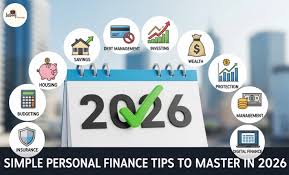
Managing money effectively has never been more important than it is in 2026. With rising living costs, digital spending habits, and easy access to online shopping, it’s easier than ever to lose control of your finances. That’s where budgeting comes in.
A good budget doesn’t restrict your life—it gives you control, clarity, and confidence. In this complete guide, you’ll learn the best budgeting methods that actually work, along with practical tips to choose the right one for your lifestyle.
What is Budgeting?
Budgeting is the process of planning how you will spend and save your money.
It helps you:
- Control spending
- Save consistently
- Avoid debt
- Achieve financial goals
💡 Simply put: A budget tells your money where to go instead of wondering where it went.
Why Budgeting is Important in 2026
Financial habits have changed dramatically:
- Digital payments make spending effortless
- Subscriptions quietly drain your money
- Inflation increases everyday costs
- Multiple income streams need tracking
Without a budget, even a good income can disappear quickly.
1. The 50/30/20 Rule (Best for Beginners)
This is the simplest and most popular budgeting method.
How it works:
- 50% → Needs (rent, bills, groceries)
- 30% → Wants (entertainment, shopping)
- 20% → Savings & investments
💡 Perfect for people who want an easy, balanced approach.
Tools to use:
- Mint
- YNAB
2. Zero-Based Budgeting (Full Control Method)
This method gives every dollar a job.
How it works:
- Income – Expenses = Zero
- Every rupee/dollar is assigned (spending, saving, investing)
💡 You plan exactly where all your money goes.
Benefits:
- Maximum control
- No wasted money
- Clear financial picture
3. Envelope System (Best for Overspenders)
This is a classic but powerful method.
How it works:
- Divide cash into envelopes (food, travel, shopping)
- Spend only from each envelope
💡 When the envelope is empty, you stop spending.
Modern version:
Use digital wallets or budgeting apps instead of physical cash.
4. Pay Yourself First Method
This method focuses on saving before spending.
How it works:
- Save a fixed percentage of income first
- Spend the rest
💡 This ensures consistent savings.
Example:
- Income: $500
- Save: $100
- Spend: $400
5. 70/20/10 Budget Rule
A slightly different budgeting formula.
Breakdown:
- 70% → Living expenses
- 20% → Savings
- 10% → Investments or charity
💡 Great for people who want a simple variation.
6. Reverse Budgeting (Minimal Effort)
This method is perfect for people who hate detailed tracking.
How it works:
- Save a fixed amount
- Spend the rest freely
💡 As long as you meet your savings goal, you’re on track.
7. Values-Based Budgeting
This method aligns spending with your priorities.
How it works:
- Spend more on what matters
- Cut what doesn’t
💡 Example:
- Spend on education or health
- Reduce unnecessary shopping
8. Digital Budgeting (2026 Trend)
Technology has made budgeting easier than ever.
Best tools:
- Mint
- YNAB
Features:
- Automatic tracking
- Expense categorization
- Alerts and insights
💡 Perfect for busy lifestyles.
How to Choose the Right Budgeting Method
Not every method works for everyone.
Choose based on:
If you’re a beginner:
👉 50/30/20 Rule
If you want full control:
👉 Zero-Based Budget
If you overspend:
👉 Envelope System
If you want simplicity:
👉 Pay Yourself First
Common Budgeting Mistakes
Avoid these errors:
- Not tracking expenses
- Setting unrealistic limits
- Ignoring small expenses
- Giving up too early
💡 Budgeting is a habit, not a one-time task.
Tips to Stick to Your Budget
- Review your budget weekly
- Adjust when needed
- Use apps for automation
- Reward yourself occasionally
💡 Consistency is more important than perfection.
Example Monthly Budget Plan
Let’s say your income is $1000:
- Needs: $500
- Wants: $300
- Savings: $200
💡 Adjust based on your situation.
Final Thoughts
Budgeting in 2026 is not about restriction—it’s about freedom. When you control your money, you reduce stress, avoid debt, and move closer to financial independence.
👉 Remember:
Plan your money, or your money will disappear without a plan.
Start with a simple method, stay consistent, and improve over time. That’s the key to financial success.